
Our Story

Our Story

Practical Solutions

We provide practical solutions for complex renewable energy, water, and environmental projects.

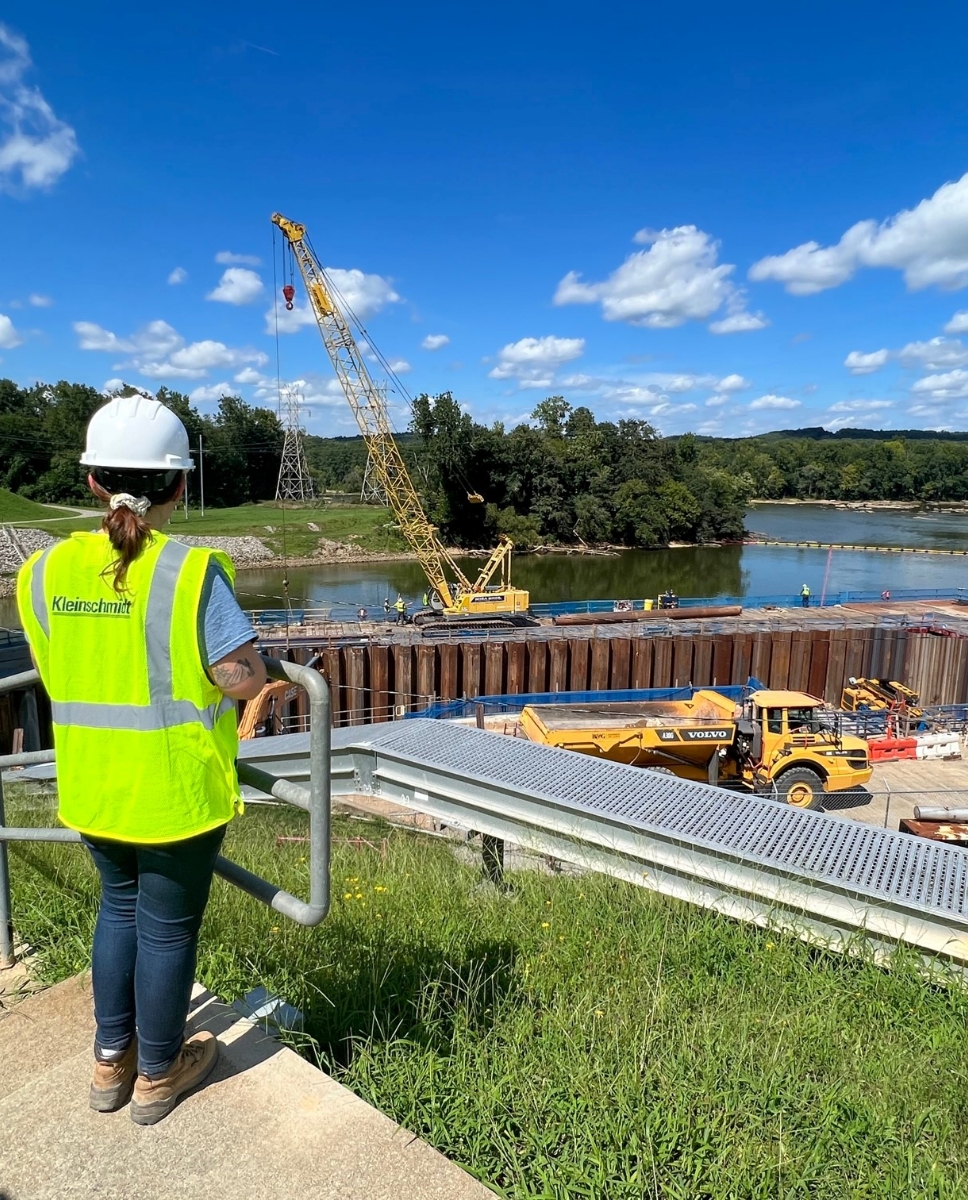
For nearly six decades, Kleinschmidt has supported renewable‑energy, water, and environmental initiatives across North America, blending rigorous engineering, hard‑won regulatory insight, and leading‑edge science to push projects from concept to reality—always with an eye on practicality, schedule, and the planet. When you bring us onto your team, you tap into an employee‑owned firm where every specialist thinks like an owner, drives like a partner, and measures success by the value delivered to your project.

Our mid‑sized scale is your strategic advantage: big enough to marshal deep, multi‑disciplinary talent for complex undertakings, yet nimble enough to give you a direct line to decision‑makers. From powerhouses and dam‑safety upgrades to habitat restoration and fish passage, we design solutions that are sustainable, compliant, and future‑ready—so you move forward with confidence and leave a legacy that matters.
Meet Our Team

Our Mission & Vision

Ownership Mindset

Core Values & Purpose

Empowering Everyone

In order to create a sustainable future for Kleinschmidt, we recognize the importance of equitable practices and inclusivity. We commit to fostering an environment where everyone can thrive and feel a sense of purpose in what they do. Our work matters, and you matter too.​​​​​​​

We embrace the value of diversity when it comes to creating a strong community. With that in mind, we will nurture an inclusive culture where everyone feels empowered.

Explore Our Social Impact

Industry Associations

Safety

A job hazard analysis (JHA) is used to perform a daily evaluation of potential hazards of all activities outside of the office environment, prior to the execution of any work for the day. The Kleinschmidt JHA form is used for the starting point for all daily discussions, and may be modified as necessary to reflect the needs of the project.

Kleinschmidt has developed several detailed safety procedures to provide employees guidance as they relate to specific work activities:

30 Hour OSHA

  • Safety Training Procedure – Ontario
  • Office Emergency/Fire Safety
  • Vehicle Safety
  • Manual Material Handling
  • Work on and Around Water
  • Lyme Disease Prevention
  • Subcontractors Safety Manual
  • Confined Space Entry
  • Fall Protection
  • Boating Safety
  • Snorkeling Safety

Risk Assessment

  • Modified Work Procedure – Ontario
  • First Aid/CPR/AED
  • Electrical Safety
  • Personal Protective Equipment
  • Working Alone
  • Noise Exposure
  • Ladder Safety
  • Rope Access, Level 1 Technician
  • Formaldehyde Safety
  • Electrofishing Safety
  • Laboratory Safety

Job Hazard Analysis

  • General Office Safety
  • Bloodborne Pathogens
  • Incident and Accident Investigation
  • Chemical Hazard Communication
  • Heat Stress and Cold Stress
  • Power and Hand Tools
  • Lock Out / Tag Out
  • Rope Access, User Group
  • Wading Safety
  • Fish Handling
  • Ethanol Safety

The safety program process for every project begins with a risk assessment procedure that provides a framework to evaluate and address potential safety risks throughout the entire project lifecycle (i.e., pre-proposal through project closeout). The risk assessment helps to define the potential hazards very early in the project, and is first used during the initial planning of how the work can be accomplished. If the risk assessment identifies elevated risk potential, a project-specific safety plan is developed by the project manager prior to commencement of the work.

Kleinschmidt has a formal health and safety program which includes a corporate safety officer, safety committee, and safety procedures to ensure safe and healthful conditions for all employees. This safety program addresses job hazard analysis requirements, safety procedures, training, record keeping, and most importantly provides clear safety-oriented accountability for project team members and employees. All members of the Kleinschmidt team are required to follow appropriate components of the program and receive annual job-specific training.